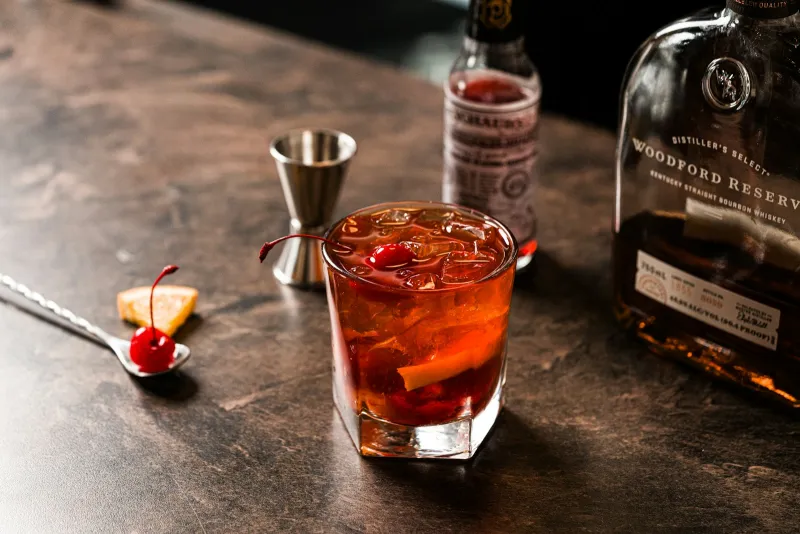
An Old Fashioned does not need a reinvention every season. It needs respect: good bourbon, the right bitters, and a bartender who understands that the drink is the point—not the garnish.
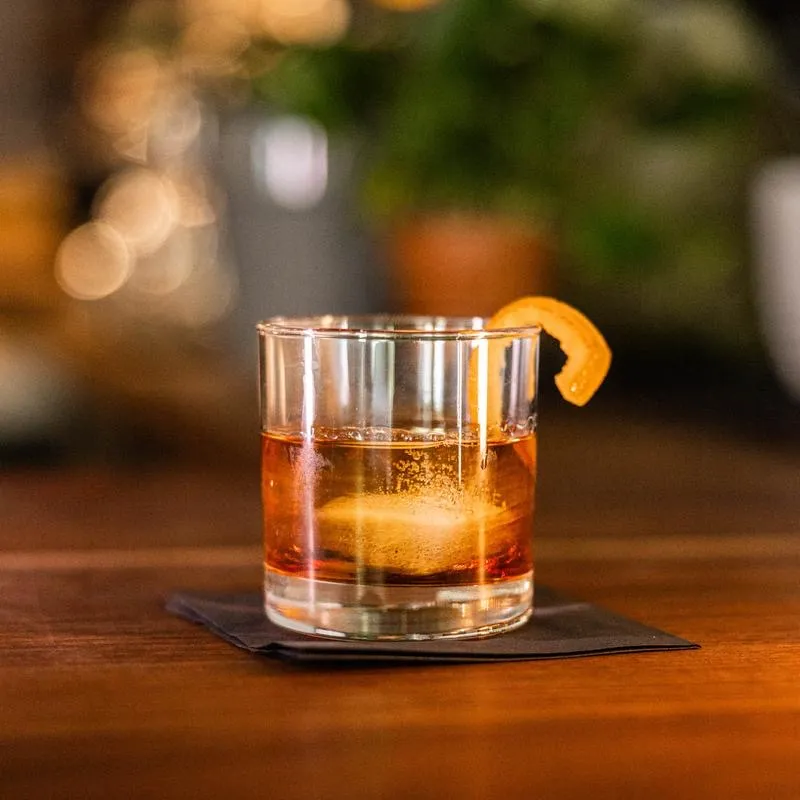
Our GTC Old Fashioned is built for the corner bar: balanced, cold, and steady enough to accompany a long conversation or a short pause between courses.
Where the drink began
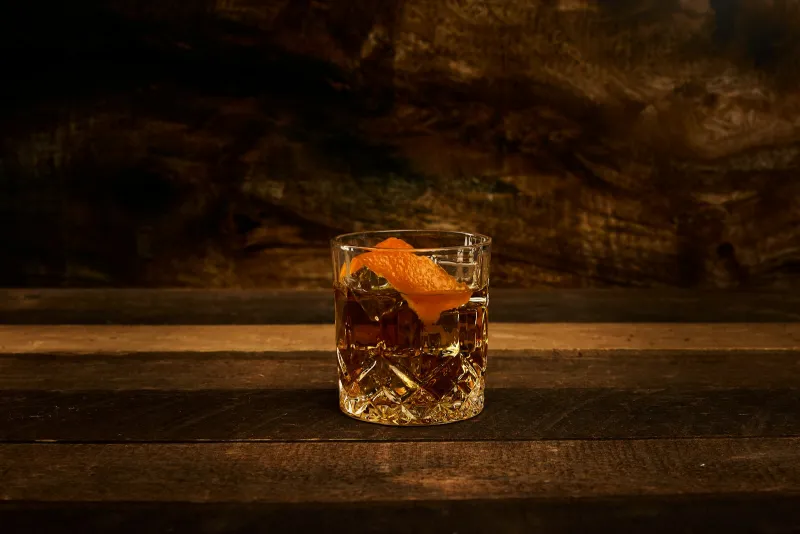
Before it had a fancy name, it was simply a whiskey cocktail: spirit, sugar, water, and bitters. That formula is as old as American cocktail culture itself—written into the earliest definitions of what a “cocktail” even was. By the late nineteenth century, bars had started dressing drinks up with liqueurs, fruit, and flourish. Regulars who wanted the original formula started asking for it the old-fashioned way.
The name stuck. Louisville’s Pendennis Club is often linked to popularizing the Old Fashioned as we know it, and whether every detail of that story is airtight matters less than the geography it points to: whiskey country, hospitality culture, and a drink built for people who preferred substance over spectacle. Spirit forward. Bitters for backbone. Sugar just enough to round the edges. Ice cold. No apology.
Why the South keeps it close
The South did not invent patience at the bar, but it perfected the setting for it. An Old Fashioned is a sitting drink—the kind you nurse while the room does its work. Bourbon’s sweetness and oak play naturally with Southern food: fried chicken, shrimp and grits, a burger, a quiet steak. It is conversational without being loud, ceremonial without being formal.
Down here, whiskey is not a trend. It is inheritance. Distilleries, family recipes, and porch-to-bar rituals run through the region’s social life. Ordering an Old Fashioned is often less about showing off a cocktail order and more about choosing the familiar—something that tastes like it belongs in the room you are already in.
Kentucky next door
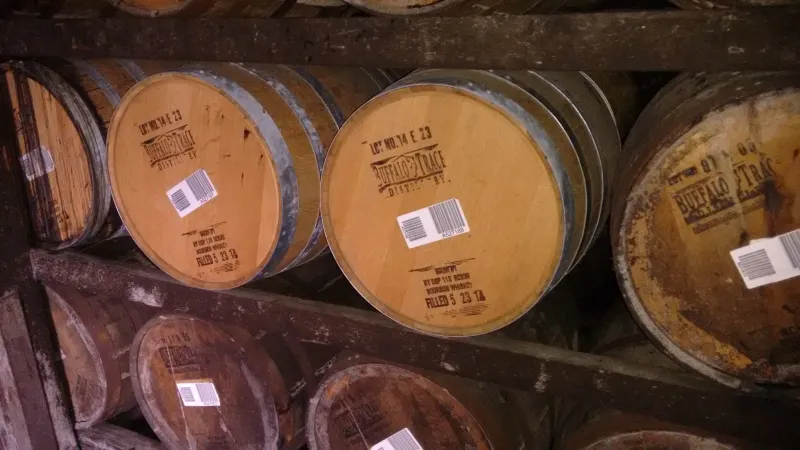
From Nashville, Kentucky’s bourbon and rye country is close enough to matter. Distilleries along the Kentucky Bourbon Trail are a short drive up I-65—close enough that bottles, relationships, and seasonal releases do not feel like distant imports. That proximity is a real advantage for a corner bar: better access to well-made whiskey, a deeper bench of bourbon and rye to choose from, and guests who already know what good spirit tastes like because they have toured the source.
Bourbon brings warmth and caramel. Rye brings spice and snap. Having both traditions next door—places like Buffalo Trace and Louisville’s Peerless Bourbon among them—means we can build an Old Fashioned that stays classic without going soft—spirit first, balanced, and honest. When your whiskey country is a few hours away, you do not need to reinvent the cocktail. You just need to pour it right.
Sit at the rail
Sit at the rail if you can. Watch the room. Let the first sip settle before you decide on dinner. That is how a neighborhood bar earns its regulars—one honest drink at a time.
If cocktails are your language, start here. If they are not, start here anyway. Classics exist for a reason.
Barrel photo via Wikimedia Commons (CC BY). Classic cocktail photos via Unsplash.